
Emotional Distance in a Relationship
Want a clearer read on your relationship dynamic?
Get a Clearer Relationship ReadWhy Emotional Distance Matters
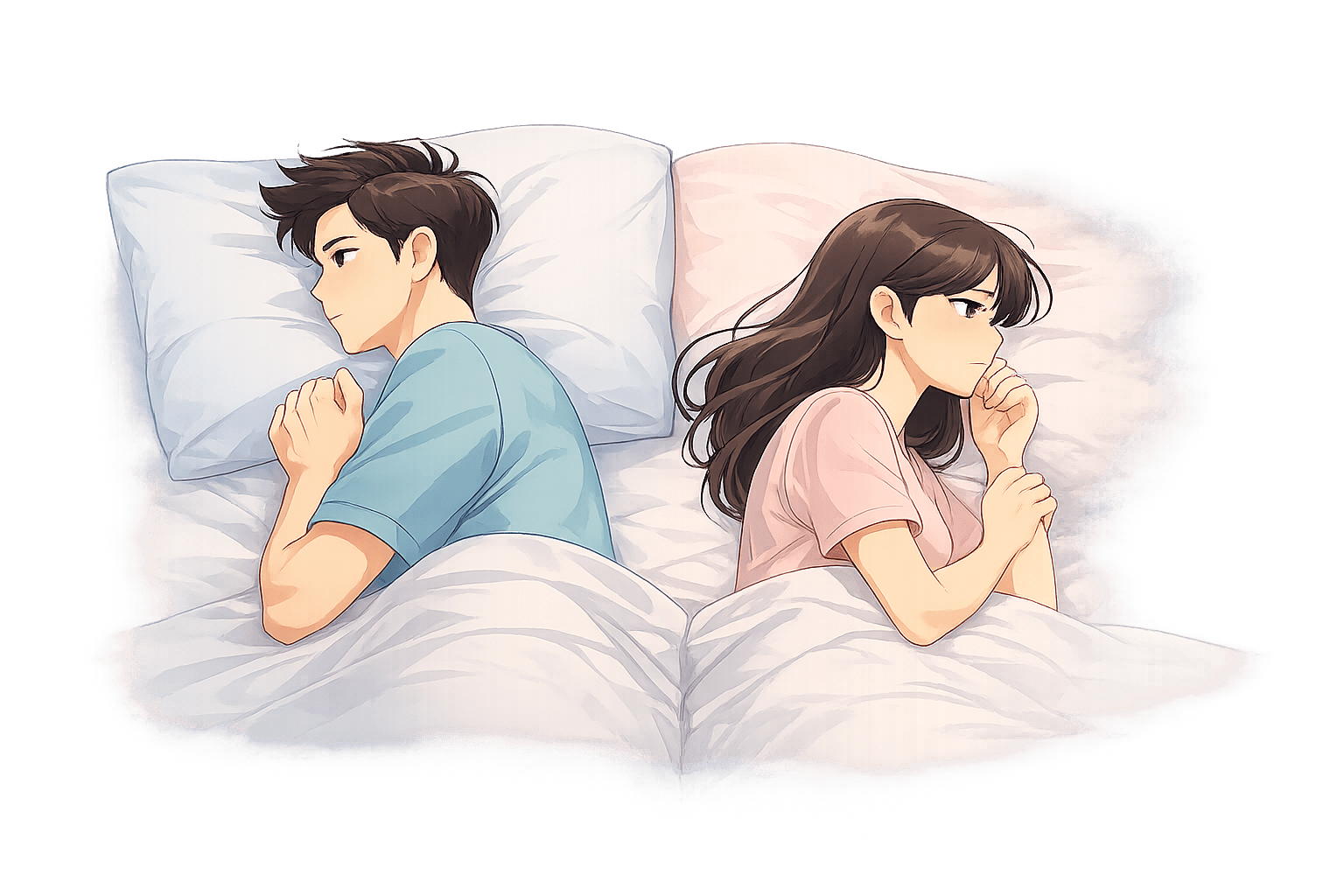
Emotional closeness is one of the main ways people experience safety, reassurance, and connection in a relationship. When that closeness starts changing, the shift can feel significant even when daily routines continue as normal.
This is part of what makes emotional distance hard to interpret. Unlike obvious changes such as fewer dates or shorter replies, emotional distance is often sensed rather than directly observed. A person may not be able to point to one specific behavior. Instead, they notice that conversations feel less emotionally rich, affection feels less spontaneous, or the relationship no longer feels as emotionally easy as before.
Emotional distance also exists in a gray area. It does not always mean a partner is losing interest. Stress, emotional burnout, life transitions, unresolved tension, and personal struggles can all reduce someone’s emotional availability without changing their deeper intentions toward the relationship.
That is why isolated moments rarely tell the full story. What matters more is the broader pattern: reduced openness, less emotional initiative, flatter connection, and a growing sense of separation over time.
Emotional distance rarely happens in isolation. It often overlaps with communication changes, reduced affection, and shifts in effort that make the relationship feel less emotionally mutual over time.
If emotional distance is making you wonder about the broader relationship pattern, see Signs Your Partner May Be Losing Interest.
Looking at emotional distance in that wider way helps people understand the relationship more clearly, instead of forcing too much meaning onto one conversation or one off day.
Articles to Explore
Why Your Relationship Feels Emotionally Distant
If your relationship feels emotionally distant, this guide explains the signs of emotional distance, why it happens, and what that shift can mean over time.

When Your Partner Feels Emotionally Unavailable
If your partner feels emotionally unavailable, emotionally closed off, or hard to reach, this guide explains the signs, causes, and what that pattern can mean in a relationship.

Why You Feel Alone in Your Relationship
If you feel alone in your relationship, this guide explains why a relationship can feel lonely, the signs of relationship loneliness, and what that pattern may mean over time.
Putting These Changes in Context
Emotional distance rarely appears as one clean, obvious signal. More often, it emerges through a combination of subtle changes: less emotional openness, lower warmth, more surface-level conversations, and a quieter sense of separation that builds gradually over time.
On their own, these patterns may not mean very much. A partner may feel stressed, overwhelmed, emotionally tired, or inwardly preoccupied. But when several of these shifts begin appearing together, the relationship can start feeling meaningfully different even if nothing dramatic has happened on the surface.
Emotional distance makes the most sense when viewed alongside other patterns in the relationship, including communication changes, reduced affection, lower effort, and a changing sense of emotional mutuality. That broader picture usually reveals more than any single moment could on its own.
If you're wondering whether your partner may be losing interest, you can explore the full guide here: